
California Custody Mediation: 5 Steps to Protect Your Children
Table of Contents
Introduction
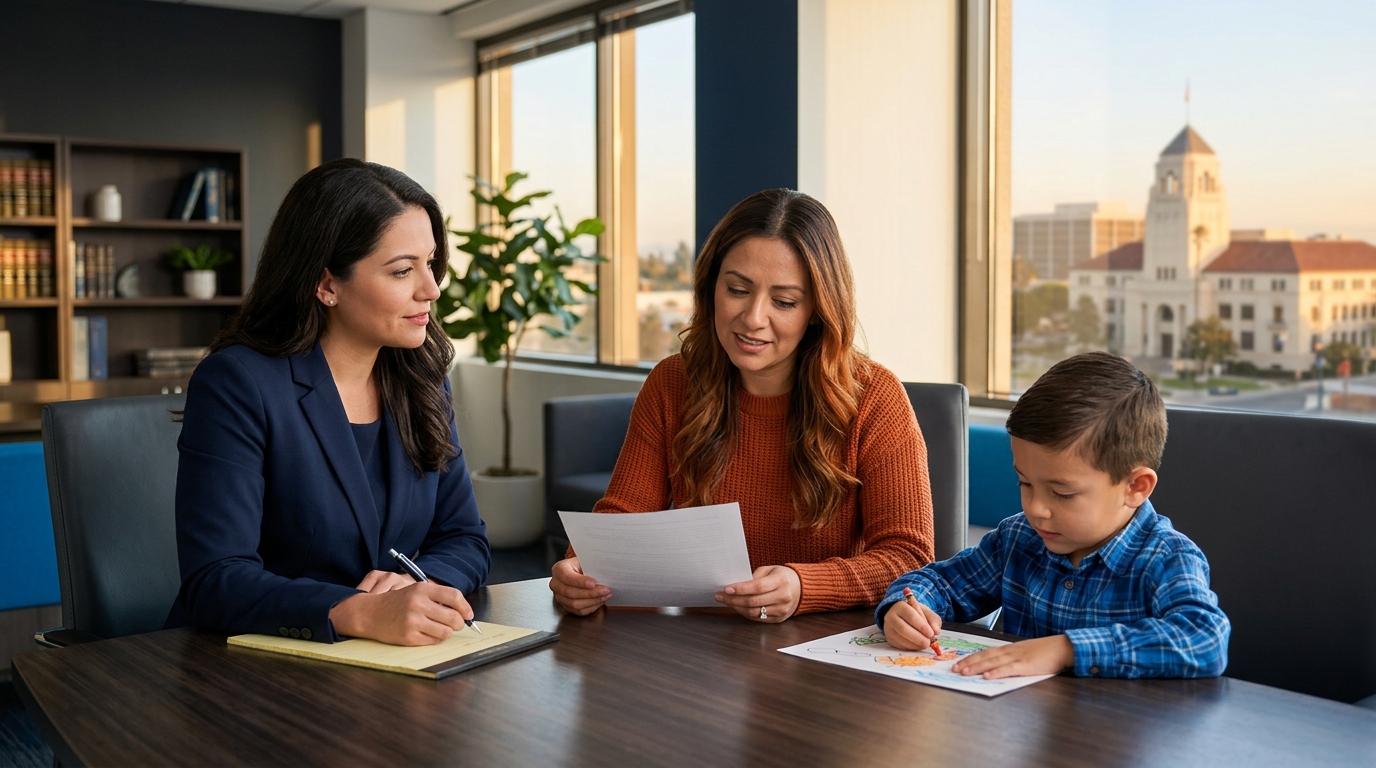
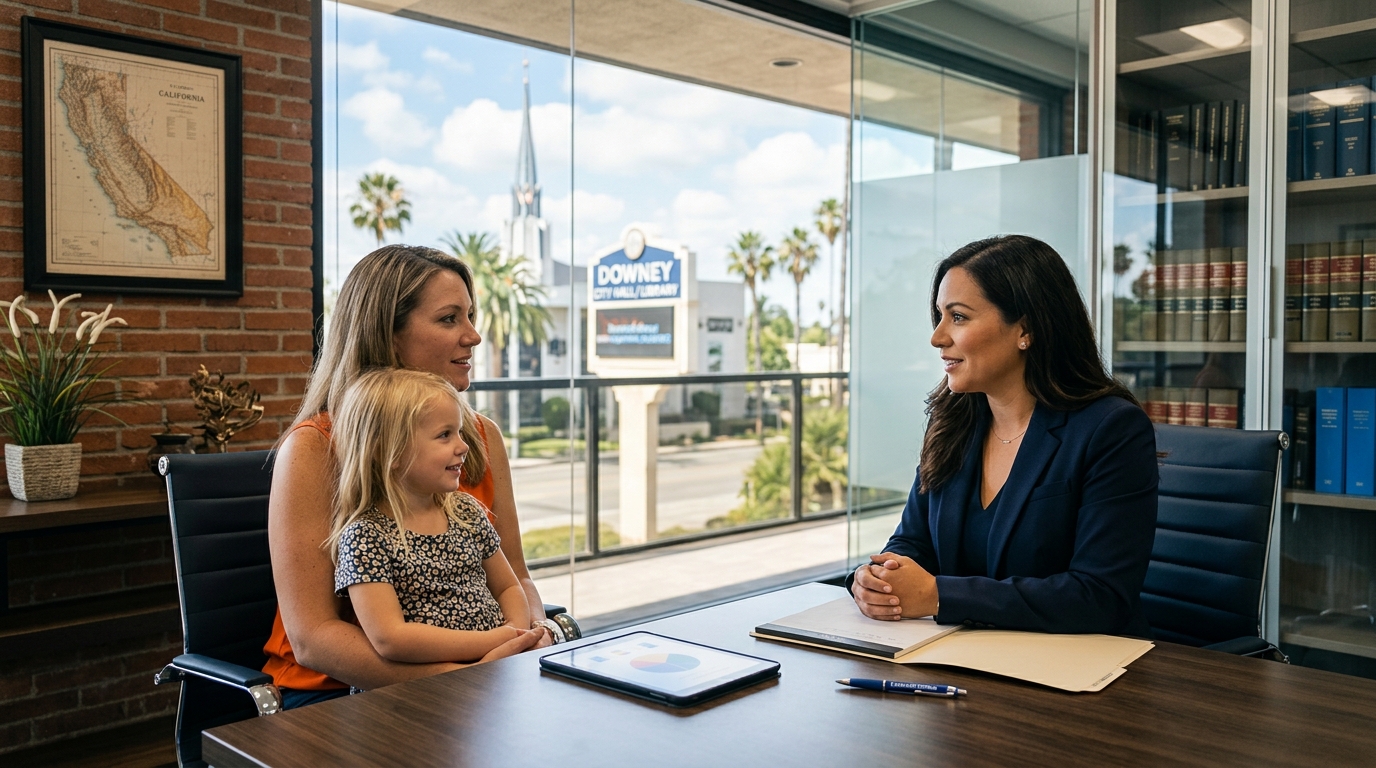
Divorce is never easy. However, when children are involved, the stakes become immeasurably higher. I often see the raw, visceral fear on parents’ faces as they stand outside the Downey courthouse steps. Indeed, preparing for california custody mediation can feel incredibly overwhelming, and that anxiety is completely understandable. You want to protect your kids above all else.
In California family law, child custody battles can feel overwhelming. Fortunately, undergoing california custody mediation offers a powerful tool to shield your children from courtroom conflict. Specifically, this process focuses entirely on the best interest of the child. It allows you to maintain control over your family’s future.
By working with a skilled family lawyer, you can approach mediation with confidence. We aggressively protect your rights while guiding you through this emotional transition. Ultimately, you do not have to face this alone. Let us explore how mediation can secure a stable future for your children.
Understanding Custody Types
Before entering mediation, you must understand the basics of child custody. According to a September 2025 update on California law, both parents have an equal right to custody. Consequently, all custody decisions must prioritize the best interest of the child.
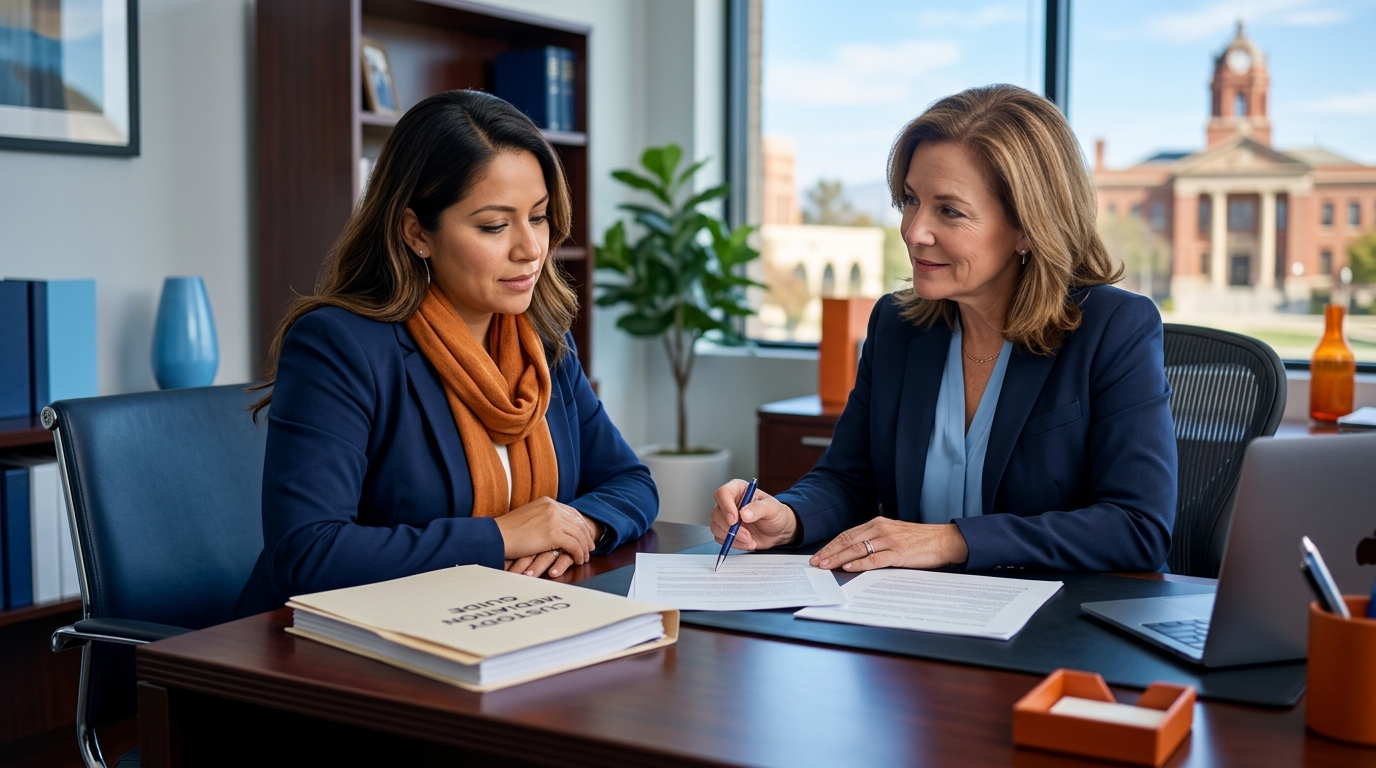
Historically, many assumed courts favored mothers. However, there is no automatic preference given to mothers today. In fact, a 2026 legal analysis confirms that a father’s rights in a California divorce vary depending on his unique family situation. To learn more about securing these rights, check out our guide on Father’s Rights in California: 5 Custody Secrets.
Furthermore, there are two main forms of child custody in California: legal custody and physical custody. Legal custody grants you the right to make crucial decisions about your child’s education, health, and welfare. On the other hand, physical custody determines where the child actually lives. When one parent has sole physical custody, the other typically receives visitation rights.
Additionally, a California judge will consider multiple factors to ensure a custody decision does not disrupt a child’s life too much. As of 2026, these factors include:
- A parent’s income and financial stability.
- Where each parent currently lives.
- The established relationship with the child.
Therefore, preparation is vital. Read more about California Child Custody: 5 Essential Rules to build a strong foundation for your case.
The California Custody Mediation Process
If parents cannot resolve custody disagreements on their own, they can attempt to resolve them through mandatory california custody mediation. This is a required step in California before a judge will hear your contested custody case. During mediation, a neutral third party helps you and your ex-spouse communicate effectively.
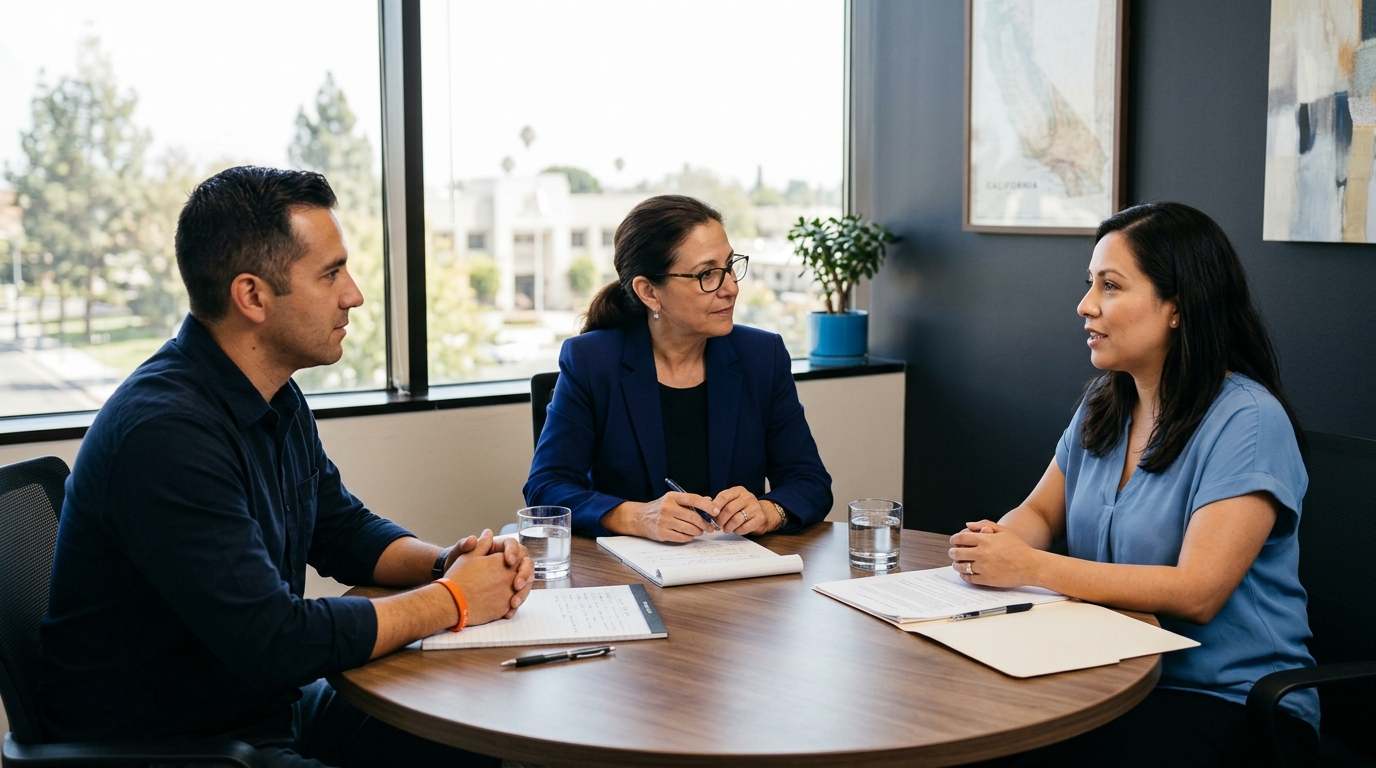
The primary goal is to draft a workable custody agreement. First, you will attend a brief orientation session. Next, you will meet directly with the mediator. You must approach this meeting with a clear, child-focused plan. Remember, the mediator is looking out for your child, not your personal grievances.
Therefore, you should prepare a proposed parenting schedule in advance. Keep your emotions in check during the session. Instead, focus on practical solutions regarding schooling, holidays, and child support. Furthermore, some California counties are “recommending” counties. This means if you fail to agree, the mediator will make a formal recommendation to the judge.
Your family lawyer plays a critical behind-the-scenes role here. While attorneys usually do not attend the actual mediation sessions in California, they prepare you thoroughly beforehand. We help you anticipate difficult questions. Moreover, we review any proposed agreements before you sign them. This ensures your parental rights remain fully protected.
For more strategies on preparation, review our article on How to Win California Child Custody: 7 Secrets. Ultimately, successful mediation keeps the power in your hands. It prevents a stranger in a black robe from dictating your family’s dynamic. If mediation fails, however, we are fully prepared to litigate aggressively on your behalf.
Data and Statistics: The Reality of Mediation
Understanding the statistical landscape of California family law can help set realistic expectations. Mediation is highly effective when both parties are willing to compromise. Recent data highlights how frequently families rely on alternative dispute resolution to avoid lengthy trials.
Below is a summary of typical california custody mediation outcomes and related statistics as of 2026:
| Statistic Category | 2026 Data Point | Impact on Custody Case |
|---|---|---|
| Mediation Settlement Rate | Approximately 60-70% | Reduces court time and legal fees significantly. |
| Joint Legal Custody Awards | Over 85% of cases | Ensures both parents share major life decisions. |
| Father’s Physical Custody Time | Averaging 35-40% | Reflects the shift toward equal parenting time. |
These numbers demonstrate that courts heavily favor joint involvement. Consequently, drafting a balanced custody agreement during mediation is highly advantageous. It aligns perfectly with the state’s mandate to protect the best interest of the child.
Visualizing the Custody Timeline
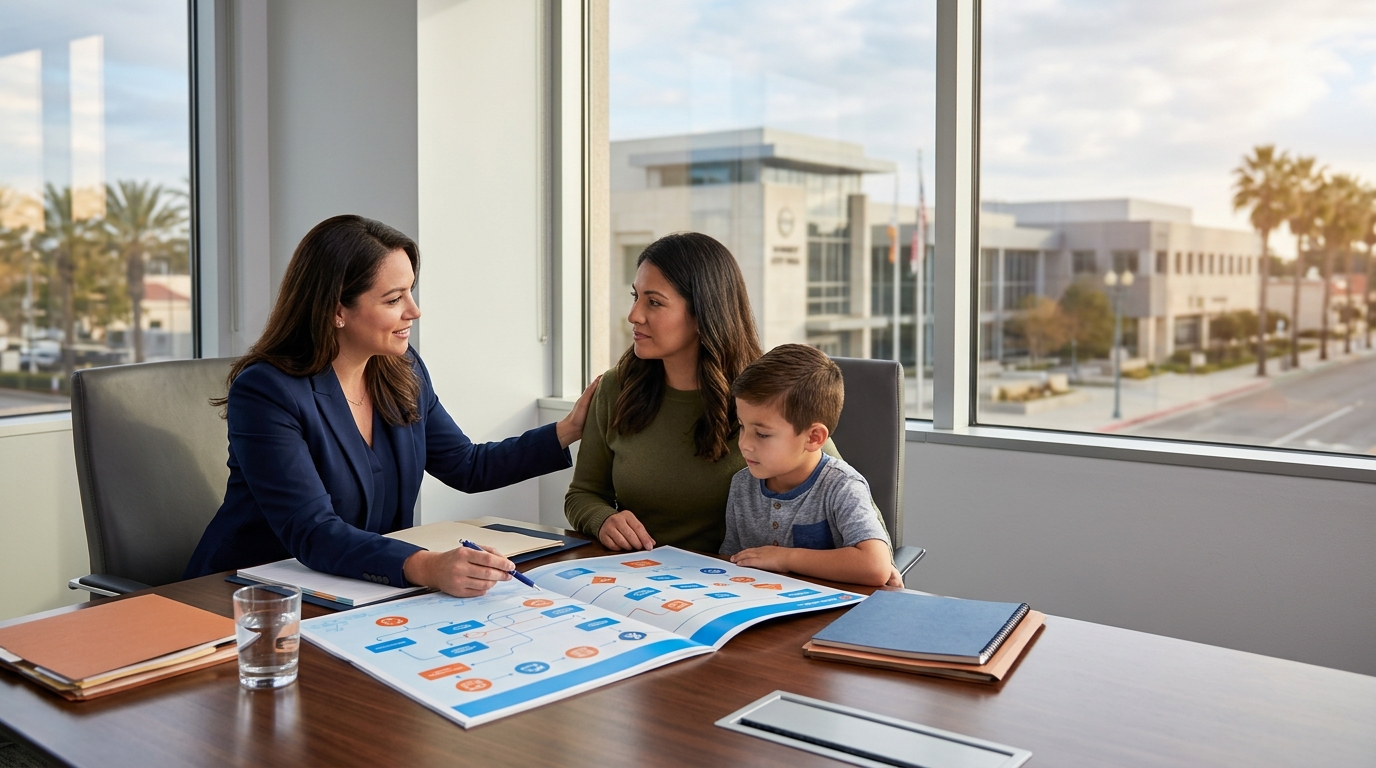
To better understand this journey, picture a step-by-step infographic titled “The California Custody Timeline.” At the top, a bold graphic represents the initial filing of the custody petition. Next, an arrow points down to the mandatory mediation phase, highlighted in blue. Then, the chart splits into two distinct paths.
One path shows a successful mediation leading directly to a signed custody agreement. The other path depicts an unsuccessful mediation branching out into court hearings and a final judge’s ruling. This visual roadmap clearly illustrates how mediation serves as the fastest route to a stable resolution.
Conclusion
Navigating a divorce and securing your child’s future can feel incredibly daunting. However, california custody mediation provides a structured, peaceful path forward. By understanding the differences between legal custody and physical custody, you can negotiate effectively. Furthermore, prioritizing the best interest of the child ensures a favorable outcome.
Do not let the fear of the Downey courthouse paralyze you. Take control of your custody agreement today. Contact our experienced family law team immediately. We will aggressively defend your rights and guide you every step of the way. Let us protect your family together.
Frequently Asked Questions
Need help navigating through rough times?
Is california custody mediation mandatory?
Yes. If you and your ex-spouse cannot agree on a parenting plan, California law requires you to attend mediation before a judge will hear your custody dispute.
Can my family lawyer attend mediation with me?
In most California counties, including Los Angeles County, lawyers do not attend the actual mediation sessions. However, your attorney will help you prepare extensively beforehand and review any agreements.
What happens if we cannot reach an agreement during mediation?
If mediation fails, the mediator will notify the court. Your case will then proceed to a hearing, where a judge will make the final decisions regarding physical custody, visitation rights, and child support.
Does mediation affect child support?
While mediation focuses primarily on parenting time, the resulting physical custody schedule directly impacts the state’s formula for calculating child support obligations.