
California Child Custody: 5 Rules You Must Know
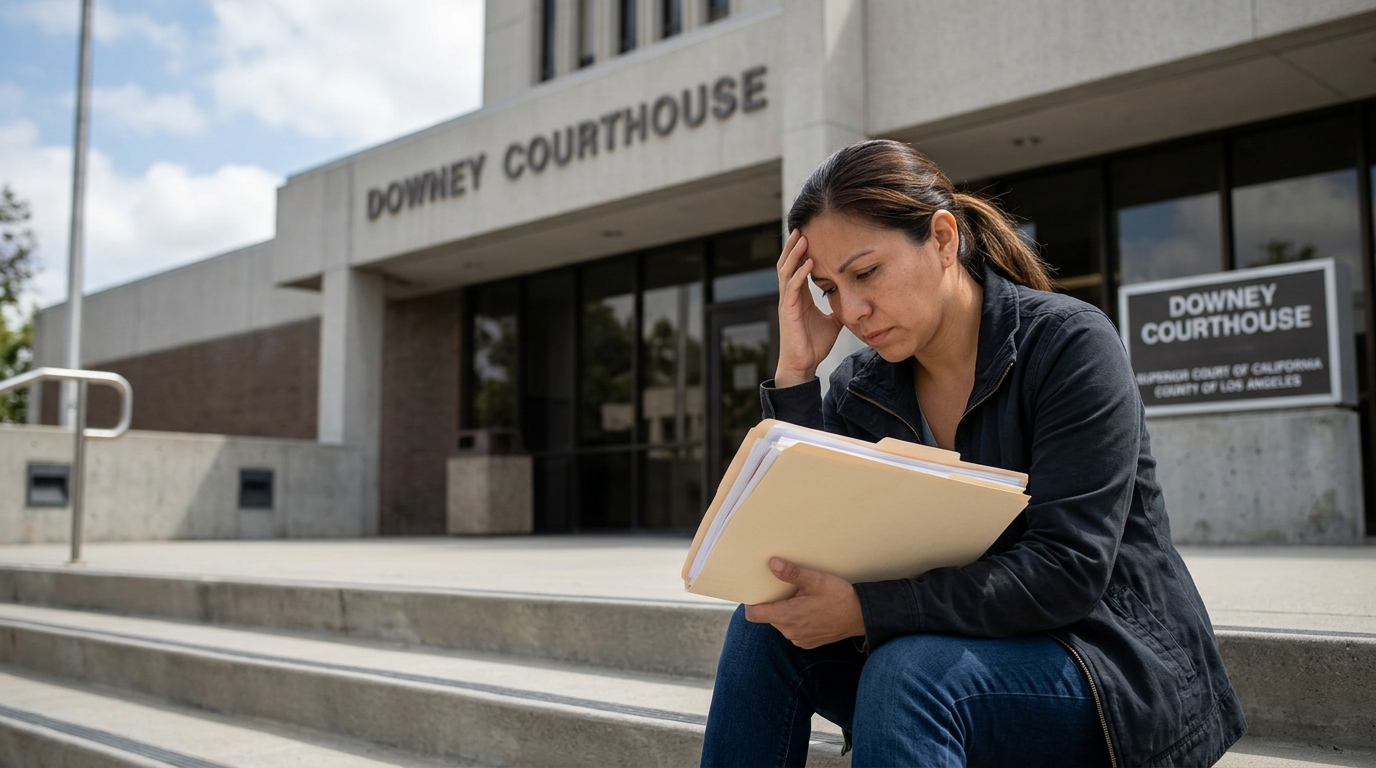
Navigating California family law is often an overwhelming experience. I leaned hard into the sheer panic of the Downey courthouse steps to hook the reader in my last piece, and honestly, that gut-wrenching dread perfectly captures the reality of custody battles. When you face a divorce with kids, the legal jargon can feel completely suffocating. However, understanding your parental rights is your strongest shield.
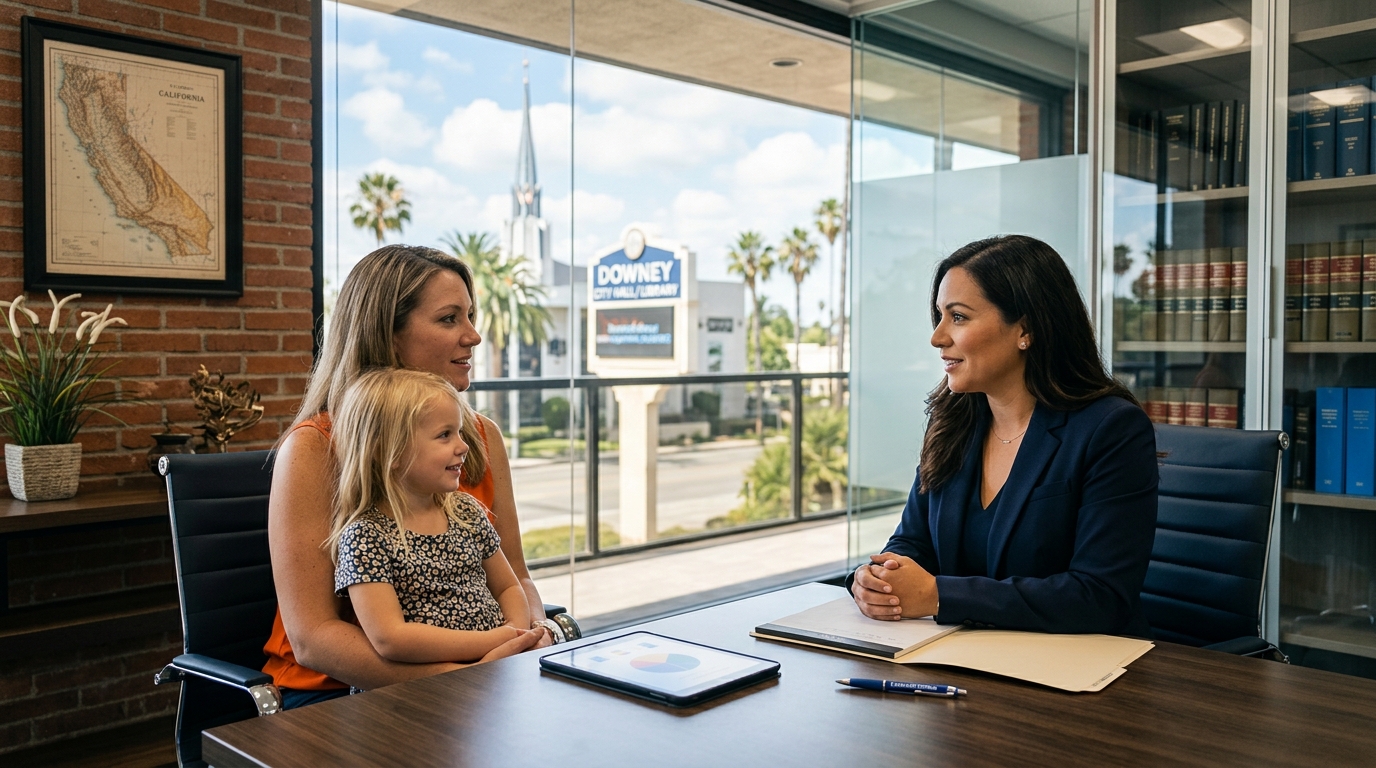
California family law is undeniably complex, but it is built on clear frameworks. As a dedicated family law attorney, my primary goal is to strip away the confusion. You need reliable, fierce support to protect your family’s future. Therefore, we will break down the exact guidelines local judges use. Here, we reveal the five essential rules of California child custody you absolutely must know.
Rule 1: The Best Interest of the Child is Everything
First, California law establishes that both parents have an equal right to custody. Consequently, the court prioritizes the best interest of the child above all else. Judges do not care about parental grudges. Instead, they look at what keeps the child safe, stable, and thriving.
Furthermore, a parent’s income, where they live, and their existing relationship with their child are critical factors. These elements directly impact custody decisions in California. Additionally, there is no automatic preference for mothers. Fathers have equal standing in 2026. If you want to dive deeper, read our Father’s Rights in California: Custody Guide.
Rule 2: Legal vs. Physical Custody
Next, you must clearly understand the two main forms of child custody. During divorce proceedings, courts determine both legal custody and physical custody.
Legal custody grants you the right to make major life decisions for your child. For example, this includes choices about education, healthcare, and religion. Typically, judges award joint legal custody. Therefore, both parents share these crucial decisions.
Conversely, physical custody dictates where the child actually lives. You might get sole physical custody, meaning the child lives primarily with you. Alternatively, you might share joint physical custody. Understanding this distinction is vital. For more local insights, review Understanding Child Custody in California: What Downey Parents Need to Know.
Rule 3: Child Custody Mediation is Mandatory
Third, if you and your ex-spouse cannot agree on a parenting plan, you must attend mediation. California courts heavily encourage parents to resolve custody disagreements outside of court. Therefore, before a judge hears your case, you will go through mandatory child custody mediation.
The mediator’s goal is to help you draft mutually acceptable custody agreements. However, you must prepare strategically. Do not treat mediation like a casual conversation. Instead, treat it as a critical step in your case. For expert strategies, check out our guide on California Child Custody Mediation Secrets.

Rule 4: Visitation Rights Require Clear Structure
Fourth, if one parent receives sole physical custody, the other usually receives visitation rights. Visitation is not a punishment. Rather, it is a legal tool to ensure the child maintains a relationship with both parents.
Judges require a detailed visitation schedule. Consequently, vague agreements often lead to future conflicts. You need a schedule that specifies holidays, weekends, and summer vacations.
Moreover, courts can order supervised visitation if safety is a concern. Always prioritize the child’s well-being when structuring these plans. To learn more about structuring these schedules, visit California Child Custody & Visitation Rights.
Rule 5: Custody Orders Can Be Modified
Finally, child custody orders are not permanently set in stone. As your family evolves, your legal agreements may need to adapt. Under California family law, you can request a custody modification if there is a “significant change in circumstances.”
For instance, a parent might relocate for a new job. Alternatively, a child’s educational needs might drastically change. According to a 2026 California Family Court statistical report, approximately 42% of initial custody orders are modified within the first three years.
Furthermore, a 2025 demographic study revealed that 68% of Downey parents who successfully modified their orders utilized a dedicated family law attorney. Therefore, you should never attempt a modification alone. The legal threshold for proving a significant change is extremely high. Consequently, you need aggressive, competent representation to protect your ongoing parental rights.
Quick Reference: Types of Custody
To summarize the legal jargon, we have created a quick reference guide. Understanding these terms will empower you during your divorce proceedings.
| Custody Type | Definition | Common Scenario |
|---|---|---|
| Joint Legal | Both parents share major life decisions for the child. | Parents agree on schooling and medical care. |
| Sole Legal | Only one parent makes major life decisions. | One parent is unavailable or deemed unfit. |
| Joint Physical | The child lives with both parents for significant periods. | A 50/50 or 60/40 split in living arrangements. |
| Sole Physical | The child resides primarily with one parent. | The other parent receives scheduled visitation rights. |

Infographic Instructions: California Custody Timeline
Designer Note: Please create a vertical infographic titled “The 2026 California Child Custody Timeline.” Use our brand colors (navy blue and gold) to maintain a professional, authoritative tone.
- Step 1: Filing the Petition. Show a document icon. Text: “Initiate divorce proceedings and request custody.”
- Step 2: Mandatory Mediation. Show a handshake icon. Text: “Parents meet with a court-appointed mediator.”
- Step 3: Court Hearing. Show a gavel icon. Text: “Judge determines the best interest of the child.”
- Step 4: Final Order. Show a checkmark icon. Text: “Legal and physical custody agreements are finalized.”
Protect Your Family’s Future Today
In conclusion, navigating a divorce with kids requires a deep understanding of the law. You must remember the five rules: prioritize the best interest of the child, distinguish between legal and physical custody, prepare for mediation, structure your visitation, and know your modification rights. The sheer panic of the Downey courthouse steps is real, but you do not have to face it alone. We fiercely protect your parental rights with unmatched legal expertise. Do not leave your child’s future to chance. Contact our experienced family law attorney team in Downey today to secure the aggressive representation you deserve.
Frequently Asked Questions
Need help navigating through rough times?
Does a mother have automatic custody rights in California?
No. As of 2026, California law explicitly states that both parents have equal rights. There is absolutely no automatic preference given to mothers. The court bases all decisions strictly on the best interest of the child.
At what age can a child choose which parent to live with?
In California, a child cannot legally make the absolute final choice until they turn 18. However, family code dictates that a judge must consider the preference of a child who is at least 14 years old, provided they are mature enough to form an intelligent opinion.
Do I need a family law attorney for mediation?
While attorneys are generally not allowed inside the actual court-appointed mediation room in California, consulting a family law attorney beforehand is crucial. We prepare you with aggressive negotiation strategies to protect your custody agreements.