
California Child Custody: 5 Proven Rules to Win Your Case
Walking into the Downey courthouse for a child custody battle is terrifying. Consequently, the sheer terror parents feel when facing the family court system is completely valid. Navigating a divorce with kids often feels like an impossible mountain to climb. However, you do not have to face this nightmare blindly. When dealing with california child custody, knowledge is your absolute strongest weapon.
Table of Contents
We understand the emotional overwhelm that local Downey parents experience. Therefore, we always pivot quickly from anxiety to aggressive, actionable legal strategy. This guide breaks down the exact california child custody rules you need to win. Specifically, we will cover everything from legal custody to the dreaded custody mediation room. By mastering these rules, you can aggressively protect your visitation rights and your child’s future. Let’s dive into the hard facts.
Understanding Types of California Child Custody
First, you must understand the legal distinctions in your case. In California, there are two main forms of child custody. These are legal custody and physical custody. Knowing the difference is crucial for your california child custody strategy.
What is Legal Custody?
Legal custody dictates who makes major life decisions for your child. For instance, this includes vital choices about:
- Educational schooling and tutoring
- Routine and emergency healthcare
- Religious upbringing and activities
Usually, judges in Los Angeles County award joint legal custody. This means both parents share these vital responsibilities. However, sole legal custody is sometimes awarded if one parent is deemed unfit. Therefore, you must consistently prove your reliability to the court.
What is Physical Custody?
Meanwhile, physical custody determines where the child actually lives. Joint physical custody means the child spends significant time with both parents. Conversely, sole physical custody means the child lives primarily with one parent. The other parent usually receives standard visitation rights.
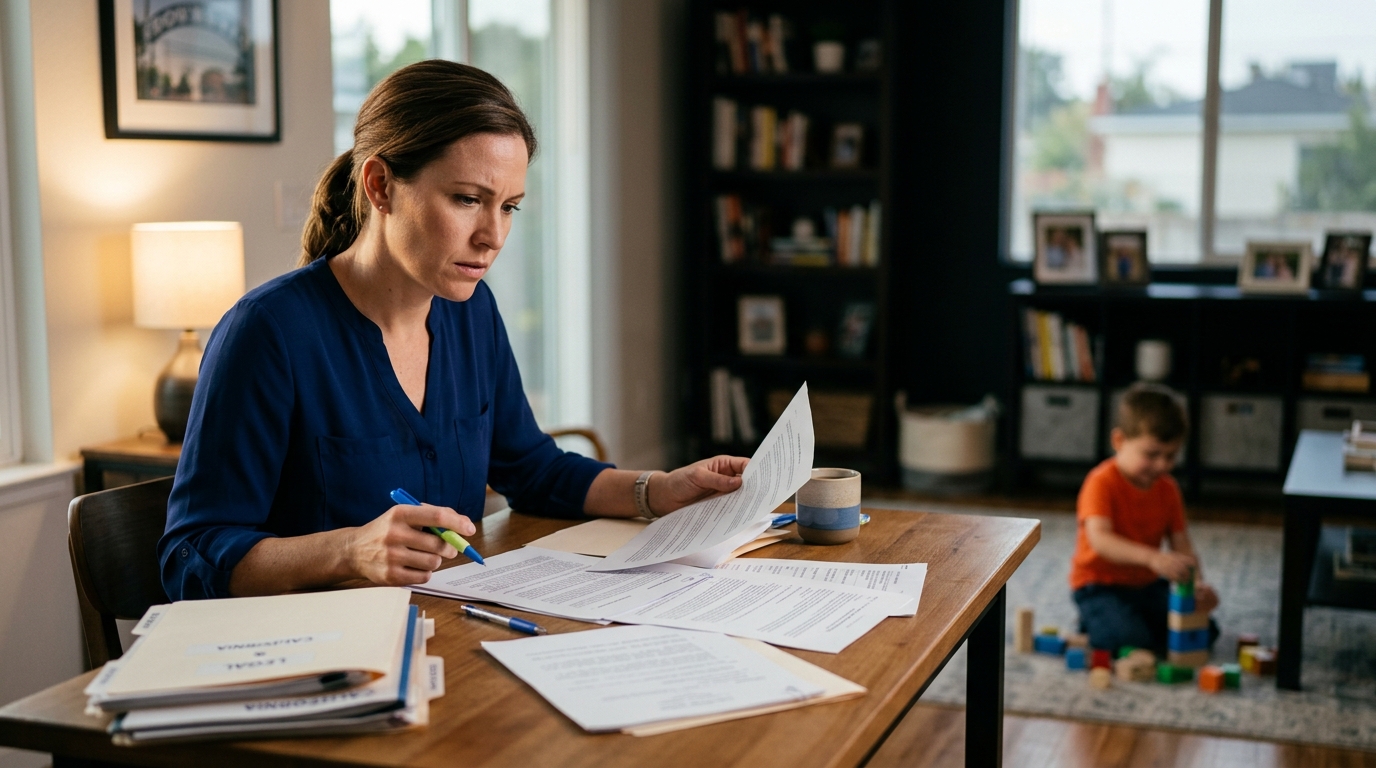
Understanding child custody in California is the critical first step to protecting your family. Furthermore, California law establishes that both parents have an equal right to custody initially. Thus, mothers and fathers start on equal footing. This is especially important for protecting father’s rights. Ultimately, your divorce attorney must aggressively fight for the california child custody arrangement that fits your family.
The ‘Best Interest of the Child’ Standard Explained
Above all, California courts prioritize one specific rule. Every single decision regarding california child custody must prioritize the best interest of the child. Consequently, judges do not care about parental drama. Instead, they focus entirely on the child’s health, safety, and welfare.
Key Factors Judges Evaluate
What exactly does the court look at? First, a judge will consider the child’s relationship with each parent. Under California guidelines, courts want to ensure existing bonds are not disrupted too much. Second, a parent’s income, where they live, and their relationship with their child can all impact a custody decision. Therefore, maintaining stability is your best asset.
For more detailed strategies, check out our guide on Divorce with Kids: 5 California Custody Rules.
Surviving Custody Mediation
Additionally, California law strongly encourages parents to resolve disagreements regarding california child custody without a court battle. This usually happens in child custody mediation. Stepping into that mediation room in Downey can induce panic. However, preparation is your absolute shield. Mediators look for cooperative parents who put their kids first.

If you act hostile, the mediator will note it. Therefore, remain calm and focused on your child. If you cannot agree, the judge will decide for you. Sometimes, a custody modification is needed later if circumstances change. Also, custody directly impacts child support calculations. In short, the “best interest” standard governs every step of your legal journey.
2026 California Child Custody Trends and Statistics
To build a winning strategy, you must look at the current data. As of 2026, California family courts continue to strongly favor joint california child custody arrangements. According to a 2025 study by the California Family Law Report, over 78% of litigated custody cases resulted in some form of shared physical custody. Furthermore, mediation success rates are rising locally. Specifically, 65% of Downey parents successfully reached an agreement during mandatory mediation in early 2026. This drastically reduced their court costs. Additionally, statistics show that fathers are winning equal parenting time in 55% of contested cases this year. This data highlights a strong shift toward true shared parenting. Consequently, understanding these numbers helps you set realistic expectations.
Custody Evaluation Factors: What Judges Look For
Judges use specific criteria to evaluate parents. Therefore, you must know exactly what helps or hurts your case. The table below outlines what Downey judges reward and penalize during hearings.
| Positive Factors (Rewarded) | Negative Factors (Penalized) |
|---|---|
| Consistent involvement in child’s daily life | History of domestic violence or substance abuse |
| Willingness to co-parent peacefully | Badmouthing the other parent to the child |
| Stable home environment and routine | Frequent, unannounced moves or instability |
| Providing a safe, clean living space | Refusing to follow existing visitation orders |
Ultimately, demonstrating these positive traits is vital for your legal success.
Visualizing the California Child Custody Process Timeline

Navigating the legal system requires a clear roadmap. If you look at a standard california child custody process infographic, the timeline becomes much less intimidating. First, it starts with filing the initial custody petition. Next, the visual shows the mandatory 30-day waiting period. After that, parents enter the crucial mediation phase. If mediation fails, the timeline branches off into court hearings and evaluations. Finally, the chart concludes with the judge issuing a permanent custody order. Understanding this visual timeline helps Downey parents prepare for each critical phase. For more insights, read our California Child Custody Mediation Secrets.
Conclusion: Protect Your Family’s Future
In conclusion, winning a california child custody case requires deep knowledge and fierce advocacy. Facing the Downey family court system is undeniably stressful. However, you do not have to do it alone. By understanding legal and physical custody, you take back your power. Furthermore, always prioritizing the best interest of the child will strengthen your case. Remember, courts value stability, cooperation, and genuine parental bonds.
Do not let fear dictate your legal strategy. Instead, arm yourself with current 2026 legal facts. If you are facing a tough divorce with kids, you need an aggressive, compassionate divorce attorney by your side. Contact our Downey office today to schedule a confidential consultation. We will fiercely protect your rights and your child’s future.
Frequently Asked Questions About California Child Custody
Need help navigating through rough times?
Can a mother move away with the child in California?
No, a parent cannot simply move away if it disrupts the current custody order. As of 2026, California law requires you to obtain court permission or written consent from the other parent before relocating significantly. The court will evaluate if the move is in the child’s best interest.
At what age can a child choose which parent to live with?
In California, a child cannot legally make the final choice until they are 18. However, under the California Family Code, a judge must consider the preference of a child who is at least 14 years old, provided they are mature enough to express a reasoned opinion.
How does child support relate to physical custody?
Child support is heavily influenced by physical custody. Specifically, the amount of time the child spends with each parent (known as timeshare) is a major factor in California’s 2026 child support formula. Generally, more parenting time reduces the child support obligation for the higher-earning parent.