Child Custody Mediation: 5 Proven Secrets for Downey Parents
Preparing for Child Custody Mediation
Facing a divorce with kids in Downey is incredibly stressful. Furthermore, walking into child custody mediation can feel overwhelming. You want to protect your children above all else. We deeply understand that fear and anxiety. However, you do not have to face this legal process alone.
Table of Contents
- Preparing for Child Custody Mediation
- Secret 1: Center on the Best Interest of the Child
- Secret 2: Master Your Documentation
- Secret 3: Understand Legal vs. Physical Custody
- Secret 4: Practice Strategic Flexibility
- Secret 5: Consult an Attorney for Child Custody Mediation
- 2026 California Custody Mediation Statistics
- Comparing Custody Types in California
- Mapping the Mediation Timeline
- Frequently Asked Questions
In California family law, parents are highly encouraged to resolve custody disagreements outside of court. Therefore, child custody mediation is a critical and mandatory step. Our firm aggressively protects your rights while offering genuine compassion to your family. Today, we will reveal 5 child custody mediation secrets in California. These proven strategies will help you secure the best outcome for your children. By understanding the system, you can take control of your future. Let us dive into the secrets that can transform your mediation experience.
Secret 1: Center on the Best Interest of the Child
First and foremost, you must understand the golden rule of California courts. All custody decisions in California must prioritize the best interest of the child. Consequently, mediators will evaluate every single proposal through this specific lens. According to California family law guidelines, both parents have an equal right to custody. Therefore, you must clearly show how your parenting plan benefits your child.
California judges evaluate a parent’s income, living situation, and relationship with their child when deciding custody. Similarly, mediators look closely at these exact factors. As a result, your mediation strategy must focus entirely on stability. Do not use mediation to air grievances about your ex-spouse. Instead, focus exclusively on your child’s well-being. For example, highlight how your proposed schedule supports their schooling and extracurricular activities.

Moreover, if you need a deeper dive into local procedures, review Understanding Child Custody in California: What Downey Parents Need to Know. Ultimately, framing your requests around your child’s needs is the most powerful secret. It shows the mediator that you are a responsible, caring parent.
Furthermore, this objective approach helps protect father’s rights and mother’s rights equally. When you prioritize the child, the mediator listens closely. This standard prevents emotional arguments from derailing the session. Therefore, always ask yourself how a decision impacts your child before speaking.
Secret 2: Master Your Documentation
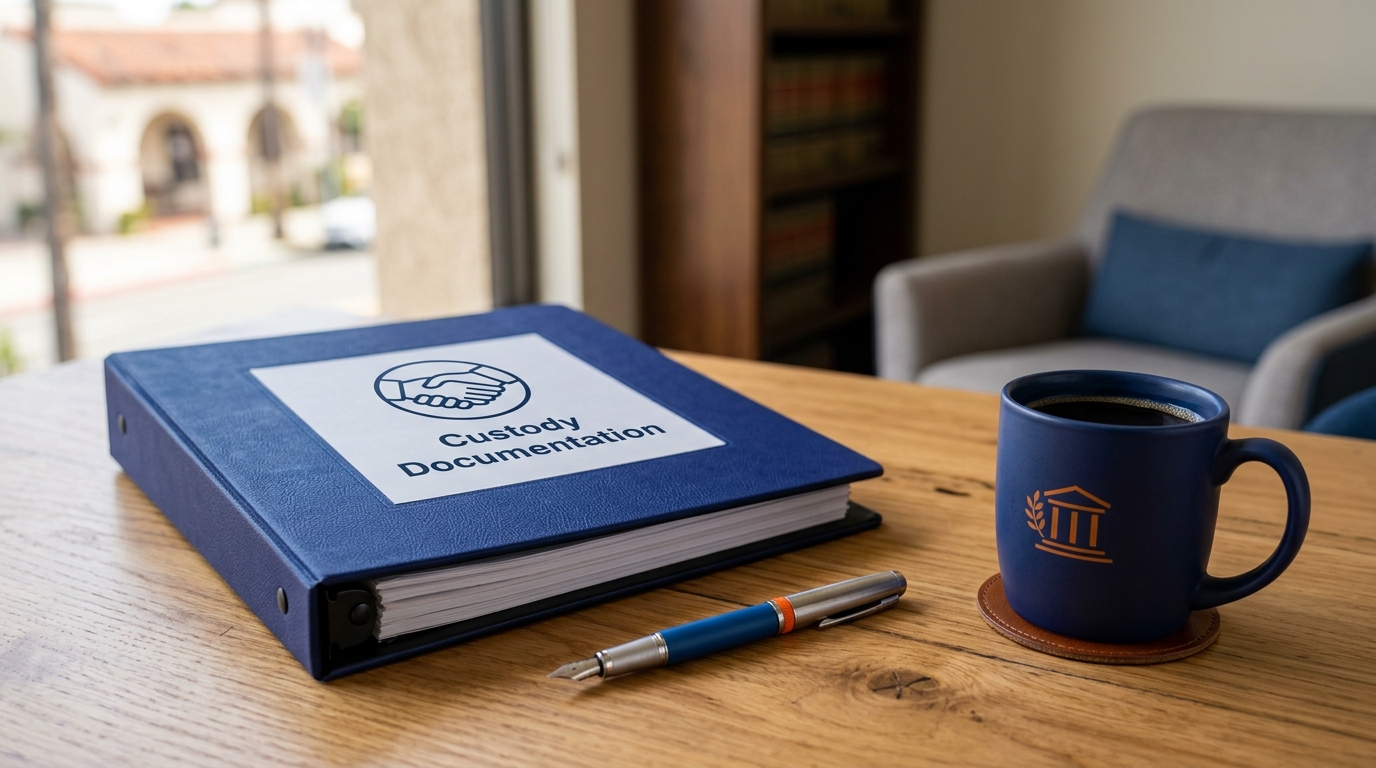
Secondly, thorough preparation is your strongest weapon. You must bring organized documentation to your mediation session. For instance, gather these essential items before you arrive:
- School report cards and attendance records
- Medical and dental documents
- Detailed communication logs with your ex-spouse
These documents provide objective proof of your involvement in your child’s life. Consequently, they help establish your case for physical custody. Do not rely on your memory alone during negotiations. Instead, let the facts speak for your dedication.
Additionally, keeping a detailed parenting journal is highly effective. If you are seeking a custody modification later, this journal becomes invaluable. Documenting your child’s routine shows you are deeply invested. Therefore, start organizing your files weeks before your mediation date.
Secret 3: Understand Legal vs. Physical Custody
Thirdly, you must know exactly what you are negotiating. There are two main forms of child custody in California: legal custody and physical custody. Legal custody involves making major life decisions for your child. These decisions include education, healthcare, and religious upbringing. Conversely, physical custody dictates where the child lives day-to-day.
Understanding this legal distinction is vital. As a result, you can negotiate your visitation rights effectively. Often, parents confuse these terms and make critical errors. Therefore, clarity gives you a distinct advantage. For more details on the timeline, read The California Divorce Process: A Step-by-Step Guide for Downey Residents. Being informed makes you a formidable negotiator.
Secret 4: Practice Strategic Flexibility
Fourthly, flexibility is a incredibly powerful negotiation tool. You must enter mediation with a clear bottom line. However, you should also identify areas where you can compromise safely. For example, you might yield on a specific holiday schedule to secure better summer visitation. Consequently, the mediator will view you as cooperative and reasonable.
This cooperative image heavily influences the final recommendation. Furthermore, stubbornness often leads to bitter court battles. Court battles are expensive, public, and stressful. Therefore, strategic compromise protects your peace of mind. It also shields your children from prolonged conflict.
Secret 5: Consult an Attorney for Child Custody Mediation
Finally, never go into mediation blind. You must consult a skilled family law attorney beforehand. A lawyer will help you draft a comprehensive, realistic parenting plan. Additionally, they can advise you on related issues like child support calculations. Even though attorneys usually do not attend the mediation session, their guidance is crucial.
An attorney ensures you do not agree to unfair terms. Furthermore, they help you understand your rights completely. For more winning tips, check out California Child Custody: 5 Secrets to Win. With the right legal team, you can approach mediation with absolute confidence.
2026 California Custody Mediation Statistics
Understanding the current data can significantly reduce your anxiety. As of 2026, California family courts continue to mandate mediation for all disputed custody cases. According to a 2025 study by the California Family Law Institute, approximately 72% of parents reach a full or partial agreement through mediation. Consequently, this high success rate proves that mediation truly works.
Furthermore, cases resolved in mediation cost an average of 40% less than litigated cases. Therefore, settling outside of court saves you considerable money and time. Additionally, data from early 2026 shows that parents who prepare with an attorney are 50% more likely to secure their desired visitation rights. Ultimately, these numbers highlight the critical importance of preparation. By applying these secrets, you place yourself in the successful majority.
Comparing Custody Types in California
To negotiate effectively, you must understand the different custody structures available. Below is a clear breakdown of the primary custody types in California. Therefore, use this table to clarify your goals before entering mediation.
| Custody Type | Definition | Common Scenarios |
|---|---|---|
| Joint Legal Custody | Both parents share decision-making for health, education, and welfare. | Standard in most California cases unless abuse is present. |
| Sole Legal Custody | One parent has the exclusive right to make major life decisions. | Used when one parent is deemed unfit or completely absent. |
| Joint Physical Custody | The child lives with both parents for significant periods. | Requires strong communication and geographic proximity. |
| Sole Physical Custody | Child resides primarily with one parent; the other gets visitation. | Common when parents live far apart or schedules conflict. |

Mapping the Mediation Timeline
Visualizing the legal process helps eliminate unnecessary surprises. The timeline infographic above illustrates the standard path of child custody mediation in California. First, it shows the initial court filing, which triggers the mediation requirement. Next, it highlights the orientation phase, where parents learn the rules.
Following this, the graphic depicts the actual mediation session. Finally, it outlines the post-mediation steps. These steps include the mediator’s report and the final judge’s ruling. Consequently, this visual guide serves as a practical roadmap for Downey parents. By understanding each phase, you can prepare your documentation perfectly for each milestone.
Secure Your Child’s Future Today
In conclusion, navigating child custody mediation requires strategy and focus. By prioritizing the best interest of the child, mastering documentation, and understanding custody types, you gain a massive advantage. Furthermore, practicing flexibility and consulting a family law attorney will fiercely protect your rights. You do not have to face this daunting process alone.
Our Downey legal team is fiercely committed to fighting for your family. Therefore, take action right now. Contact us today to schedule a comprehensive case review. Let us help you secure the custody arrangement your child truly deserves.
Frequently Asked Questions
Need help navigating through rough times?
Is child custody mediation mandatory in California?
Yes. If parents cannot agree on a custody arrangement, California law requires them to attend mediation. Consequently, you must complete this step before a judge will hear your case.
Can a mediator force us to agree?
No. A mediator is a neutral third party. Therefore, they cannot force an agreement. However, in “recommending” counties, they can submit a recommendation to the judge if you fail to agree.
Does child support get decided during custody mediation?
Generally, no. Child custody mediation focuses strictly on parenting plans and visitation schedules. Child support is handled separately based on state guidelines and custody percentages.
Do I need a lawyer for mediation?
While lawyers typically do not attend the actual session, consulting a family law attorney beforehand is highly recommended. Therefore, you can prepare your strategy and understand your rights fully.