California Child Custody: 5 Essential Steps to Protect Your Rights
Table of Contents
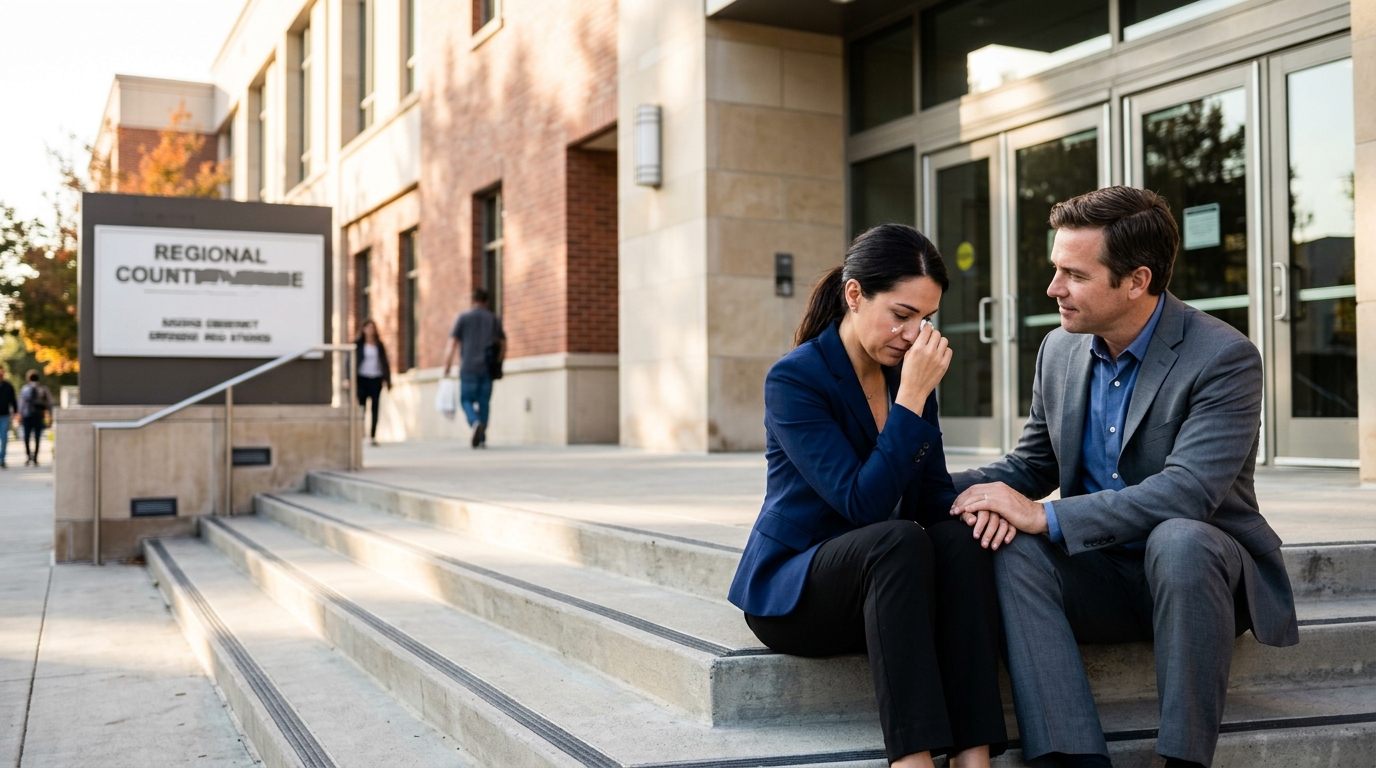
The Reality of the Downey Courthouse Steps
Standing outside the Downey courthouse, parents facing a california child custody battle often experience a sheer, heart-pounding terror. Indeed, the thought of losing your children during a messy divorce is an absolute nightmare. Furthermore, navigating complex California family law only amplifies that intense emotional stress.
However, you do not have to face this frightening ordeal alone. We deeply understand the raw emotional reality of these high-stakes custody battles. Consequently, our firm brings an aggressive, fierce commitment to protecting your parental rights.
In this article, we promise a clear, actionable guide to understanding a winning custody agreement. Ultimately, you will walk up those courthouse steps feeling empowered and prepared, rather than panicked.
Understanding California Child Custody Types
First, you must understand how the state structures these legal arrangements. Specifically, California child custody is divided into two main categories: legal custody and physical custody. These distinct terms dictate how you will raise your child after a separation.
Legal custody refers to the authority to make major life decisions for your child. For instance, this includes choices about education, healthcare, and religious upbringing. Usually, courts prefer to award joint legal custody. Therefore, both parents share these crucial decisions. However, sole legal custody is sometimes awarded if one parent is deemed unfit.
On the other hand, physical custody determines where the child actually lives day-to-day. Joint physical custody means the child spends significant time with both parents. Conversely, sole physical custody means the child lives primarily with one parent. In that scenario, the other parent typically receives structured visitation rights.
Furthermore, under California law, both parents have an equal right to custody initially. Therefore, mothers and fathers start on a level playing field. If you are a father, protecting your father’s rights is entirely possible with the right strategy. In fact, father’s rights in a California divorce vary dynamically depending on the unique family situation and relationship with the child.
Ultimately, understanding these definitions is your first strategic step. Consequently, you can build a strong foundation for your case. Next, we must examine how a judge will evaluate these factors.
Proving the Best Interest of the Child
When making decisions, California judges prioritize one primary standard above all else. Specifically, all custody decisions must prioritize the best interest of the child. This legal standard outweighs all other considerations during a divorce. Therefore, your entire strategy must revolve around proving you provide the best environment.

To determine this, judges evaluate several specific statutory factors. For example, during a california child custody evaluation, a judge will examine a parent’s income, living situation, and existing relationship with the child to ensure stability. Furthermore, they look closely at any history of domestic violence or substance abuse. Consequently, demonstrating a safe, stable, and loving home is absolutely critical.
How can parents prepare for this rigorous evaluation? Here are several vital steps:
- Document everything: Keep detailed records of your involvement in your child’s schooling and medical care.
- Maintain stability: Ensure you have a clean, safe, and consistent living environment.
- Foster goodwill: Always encourage a positive relationship with the other parent, unless safety is a concern.
Before you ever see a judge, you will likely try to settle out of court. Indeed, California family courts strongly encourage parents to resolve custody disputes through child custody mediation before proceeding to a court battle. Mediation allows you to draft a customized custody agreement that works for your family.
However, if mediation fails, you need a fierce advocate. Therefore, hiring an experienced family attorney is essential. We will aggressively fight to protect your children and secure your rights. Ultimately, preparation and professional guidance are your best weapons in family court.
Recent Custody Trends and Statistics
Understanding recent data can significantly help you set realistic expectations for your case. According to a comprehensive 2025 California family court study, approximately 85% of california child custody cases are settled outside of court. Furthermore, this trend highlights the growing importance of effective mediation.
Additionally, joint physical custody awards have steadily increased statewide. As of early 2026, roughly 60% of finalized California divorces resulted in some form of shared physical custody. Moreover, when looking at financial obligations, the average monthly child support order in Los Angeles County in 2025 was approximately $650 per child. Consequently, understanding these modern statistics helps you and your family attorney build a highly effective, data-driven legal strategy.
Custody Comparison Table
To clarify the complex terminology, we have created a simple breakdown. Specifically, the table below compares the two primary types of california child custody. Therefore, you can easily digest these crucial facts before speaking to a judge.
| Custody Type | Legal Definition | Common Court Arrangement |
|---|---|---|
| Legal Custody | The right to make major life decisions (health, education, religion). | Joint Legal Custody |
| Physical Custody | Determines where the child primarily resides on a day-to-day basis. | Joint Physical Custody or Sole with Visitation |
Visualizing the Custody Process
Visualizing the legal journey can greatly reduce your anxiety. Below, we describe a helpful infographic detailing the standard california child custody process. First, the flowchart begins with filing the initial petition with the court. Next, it branches directly into the mandatory mediation phase.

If mediation succeeds, the chart shows a direct path to a finalized, signed custody agreement. Conversely, if mediation fails, the flowchart points toward court hearings and eventual litigation. Finally, the visual ends with the judge issuing a binding court order. Ultimately, this step-by-step roadmap helps Downey parents know exactly what to expect next in their journey.
Conclusion and Next Steps
In conclusion, stepping into the Downey courthouse does not have to be a terrifying experience. By understanding the differences between legal and physical custody, you are already ahead. Furthermore, knowing that judges strictly prioritize the best interest of the child allows you to prepare effectively.
Whether you are navigating child support, mediation, or fighting for your visitation rights, you need aggressive representation. Therefore, do not leave your family’s future to chance. To win your California child custody case, you need a dedicated advocate by your side.
We are fiercely committed to protecting your parental rights. Contact our experienced Downey family law team today for a comprehensive consultation. Ultimately, we will help you secure the favorable custody agreement your child deserves.
Frequently Asked Questions (FAQ)
Need help navigating through rough times?
Do mothers always win physical custody in California?
No. Under California law, both parents have equal rights to custody. Specifically, judges cannot show preference based on gender. Instead, they base their decisions entirely on the best interest of the child.
Can a custody agreement be modified later?
Yes. If there is a significant change in circumstances, you can petition the court for a modification. For example, if a parent relocates or a child’s needs drastically change, a family attorney can help you update the order.
What happens if we cannot agree during mediation?
If mediation fails to produce an agreement, the case will proceed to a court hearing. Consequently, a judge will review the evidence and make a final ruling regarding legal and physical custody.