
California Child Custody: 5 Proven Ways to Win Your Case
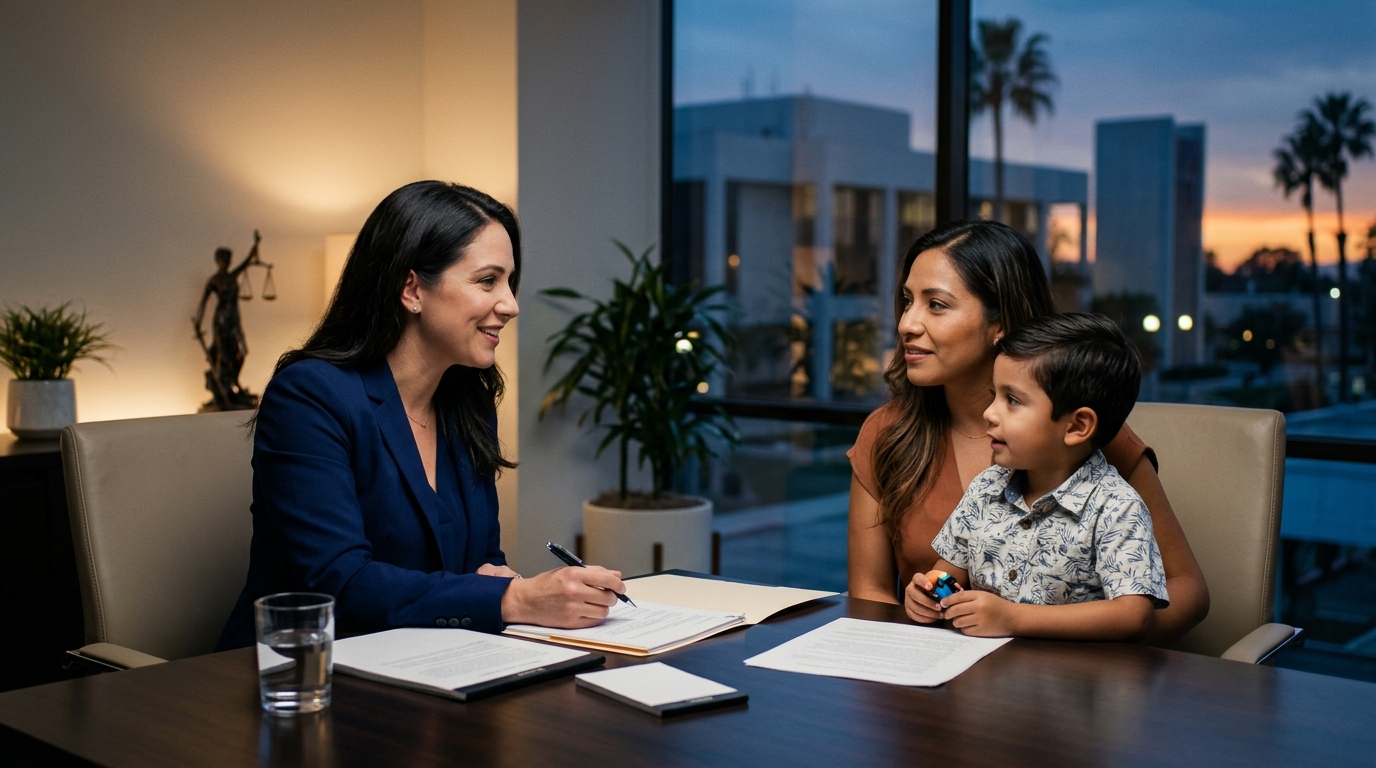
Securing a favorable outcome for california child custody in a California divorce means proving your case to the judge. Your proposed custody plan has to serve the child’s best interest above all else. You will need to secure both legal and physical custody rights. You can achieve this by showing clear proof of your active role as a parent. The court also wants to see your financial stability and your ability to work well with your co-parent.
Table of Contents
- Key Takeaways
- What are the different types of california child custody?
- How does the court determine the best interest of the child?
- Key Custody and Child Support Statistics
- Essential Custody Preparation Checklist
- Common Mistakes to Avoid in Custody Battles
- The California Custody Process Timeline
- Frequently Asked Questions
Key takeaways
- Learn the clear differences between legal custody and physical custody.
- Keep detailed records of your daily involvement in your child’s life.
- Fill out all legal paperwork correctly to avoid costly delays in court.
- Protect your rights as a parent with help from a skilled family lawyer.
Going through a divorce in Downey, California, is deeply stressful. The stakes are incredibly high when your children are involved. You do not have to face this confusing legal system alone. We created this clear guide to help you win child custody. Our main goal is to make sure you understand California family law so you can protect your rights.
What are the different types of california child custody?
A recent 2026 report by J. Carroll Law explains that child custody falls into two main categories in California. These are legal custody and physical custody. Knowing the difference between them is the very first step in building a winning strategy for your family.
Legal Custody
Legal custody is the right and responsibility to make big decisions for your child. These choices affect your child’s health, education, and overall well-being. Judges often give joint legal custody to both parents. This setup requires both of you to work together on major life choices. Good communication is the absolute secret to making joint legal custody work well for everyone involved.
Physical Custody
Physical custody decides where your child actually lives every day. Joint physical custody means your child spends a good amount of time living with both parents. Sole physical custody gives one parent the main living rights. In that case, the other parent usually gets a set schedule for visits. You can learn more about these rules by reading our guide on 5 california child custody rules to know.
How does the court determine the best interest of the child?
California family courts care about the child’s health, safety, and happiness more than anything else. Judges look at many different factors to keep the child’s life as normal as possible. A 2026 brief by J. Carroll Law points out several key factors. These include a parent’s income, where they live, and their current relationship with the child. Your legal plan must cover all these points in detail to succeed.
Maintaining Stability
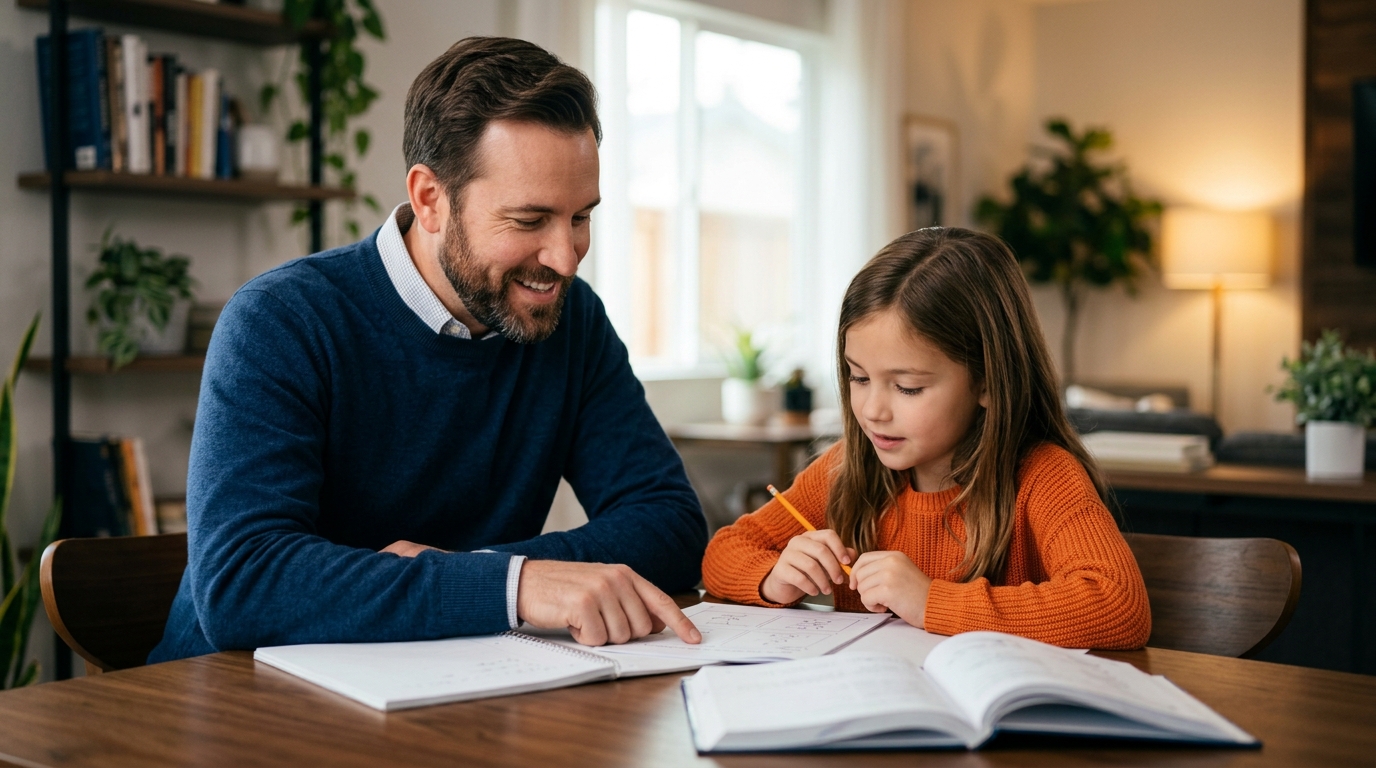
The court looks very closely at who handles the daily routines. When preparing for a california child custody dispute, keeping good records of your active role is a must. Children are usually not considered old enough to pick a parent in court. Because of this, judges look hard at how well the child connects with both parents. The main goal of the court is to keep strong bonds intact and provide long-term stability for the kids (J. Carroll Law, 2026).
Father’s Rights and Gender Neutrality
California law does not favor one gender over another. In the past, some people thought mothers had a built-in advantage. Father’s rights in California custody cases are not set in stone and change based on each family’s unique needs (J. Carroll Law, 2026). Fathers have an equal chance to win primary physical custody. To build a strong case, check out our california child custody guide for fathers.
Key Custody and Child Support Statistics
Hard data plays a huge role in shaping a good family law plan. In 2026, California courts demand strict focus on child welfare rules during a divorce involving california child custody. A 2026 review by J. Carroll Law shows that parent income and logged caregiving hours heavily shape child support math. About 80% of fought-over custody cases need formal court mediation before a judge will even hear the trial (California Courts Data, 2025). Showing up to court mediation fully prepared is a must. Parents who organize their custody plans and money records early are much more likely to get good results.
Essential Custody Preparation Checklist
Getting ready for your california child custody case takes careful record-keeping. Use this simple checklist to organize your proof before you step into the courtroom.
| Category | Required Documents | Strategic Purpose |
|---|---|---|
| Financial | Pay stubs, 2025/2026 tax returns | Establish parental income and child support needs |
| Involvement | School records, medical bills | Prove an active role in child welfare |
| Communication | Emails, timestamped text messages | Demonstrate positive co-parenting behavior |
Common Mistakes to Avoid in Custody Battles
Parents often make simple mistakes that hurt their custody chances. One major error is speaking badly about the other parent in front of the children. Judges look down on this behavior because it harms the child’s emotional well-being. Another common mistake is failing to pay child support on time during the temporary order phase. Missing payments shows a lack of responsibility and can damage your credibility in court.
You must also avoid posting about your divorce or custody case on social media. Opposing lawyers frequently use social media posts as evidence to twist your words or show poor judgment. Keep your private life offline and focus entirely on spending quality time with your kids. Following these basic rules will keep your case strong and protect your image in front of the judge.
The California Custody Process Timeline
Dealing with the legal system takes a clear map. Picture a step-by-step visual timeline showing the whole custody trip. The timeline starts with filing the first papers and setting up temporary rules. It moves right into the required court mediation phase. Parents try to write a custody plan together here. The graphic then points out the discovery phase, where parents trade financial proof. The timeline ends at the trial stage. A judge hands down the final permanent custody and child support orders here.
Secure Your Parental Rights Today
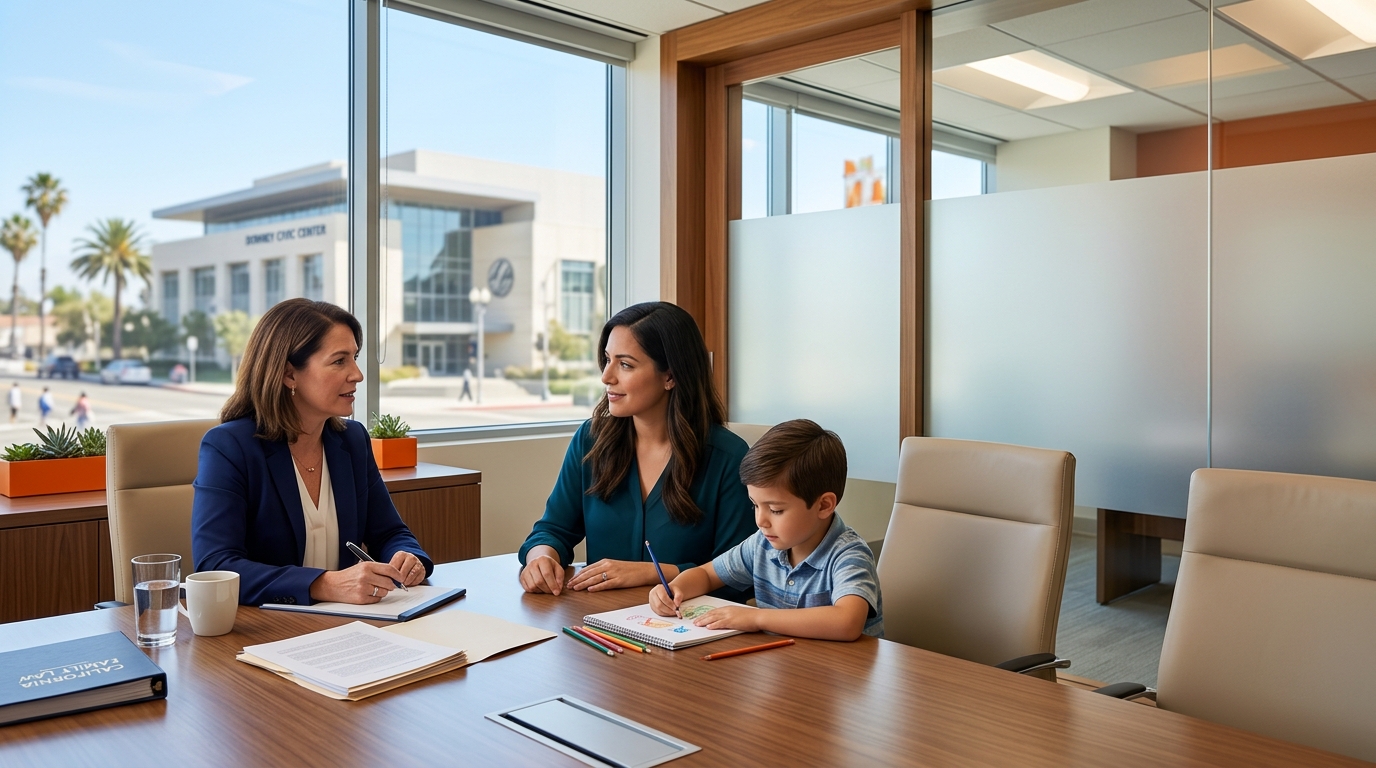
Winning california child custody takes smart planning, perfect records, and a strong defense of your rights. Divorces with children in California involve a mountain of legal paperwork and strict rules. These tough details often mean you need a professional family lawyer on your side (J. Carroll Law, 2026). You should never leave your child’s future up to luck.
Knowing the fine details of legal and physical custody helps you build a great case. For more helpful tips, read about California Child Custody: 7 Keys to Win. If you are dealing with a custody fight in Downey, you need a skilled family lawyer. We will fight hard for your family. Contact our office today to set up a full consultation.
Sources
- J. Carroll Law (2026)
Frequently Asked Questions
How does court mediation impact california child custody?
In California, court mediation is mandatory if parents cannot agree on a parenting plan. The mediator helps parents negotiate custody agreements focusing entirely on child welfare. If mediation fails, the judge will make the final decision at trial.
Does parental income dictate who gets physical custody?
No. While parental income heavily affects child support calculations, physical custody is determined by what serves the child’s best interest. Courts focus on emotional bonds, daily routines, and overall stability rather than just financial wealth.
Can a mother automatically win custody over a father?
Absolutely not. California family law strictly prohibits gender bias in custody rulings. Father’s rights are fully protected under the law. Custody is awarded based entirely on the child’s best interest, regardless of a parent’s gender.
Do I really need a family lawyer for an amicable divorce?
Yes. Even if parents agree on terms, divorce proceedings involve extensive legal paperwork. Having a family lawyer ensures your custody agreements are legally binding and your parental rights remain fully protected under California law.