
California Child Custody Secrets: 5 Proven Strategies to Win
Navigating a divorce with kids is incredibly stressful, especially when navigating the complexities of california child custody. In fact, many parents in Downey feel overwhelmed by California family law. You desperately want to protect your children. However, the legal system often feels confusing and deeply unfair. We understand your fears completely. Therefore, we are fiercely committed to protecting your parental rights. Today, we will reveal five California family law secrets to winning child custody. By understanding these strategies, you can approach your case with absolute confidence.
As a dedicated family law attorney, I see parents make avoidable mistakes every single day. Consequently, learning these secrets is crucial for your family’s future. You need aggressive, transparent legal expertise to succeed. Let us dive into the facts you need to secure the best possible outcome for your children.
Table of Contents (Click to expand)
- Secret 1: The “Best Interest of the Child” Rules Everything
- Secret 2: Master the Difference Between Legal and Physical Custody
- Secret 3: Custody Mediation is Your Secret Weapon
- Secret 4: Documentation Wins Cases
- Secret 5: Father’s Rights are Equal Rights
- 2026 California Child Custody Statistics
- Frequently Asked Questions About California Custody
Secret 1: The “Best Interest of the Child” Rules Everything
According to a September 2025 update from DivorceNet, all california child custody decisions must prioritize the best interest of the child. Therefore, the court does not care about your personal disputes. Instead, judges focus entirely on the child’s health, safety, and welfare. Furthermore, judges consider multiple factors to avoid disrupting a child’s life.
As stated by J. Carroll Law in 2026, these factors matter immensely. They include a parent’s income, living location, and relationship with the child. To win, you must aggressively prove that your home provides the most stable environment.

Secret 2: Master the Difference Between Legal and Physical Custody
Many Downey parents confuse the different types of child custody. Specifically, there are two main forms of california child custody: legal custody and physical custody. This crucial distinction was reaffirmed by J. Carroll Law in 2026.
Legal custody grants you the right to make major decisions about schooling, religion, and healthcare. Meanwhile, physical custody determines where the child actually lives. Often, courts award joint legal custody. However, physical custody can be split in various ways. If you are understanding child custody in California, knowing what to ask for is your strongest weapon. Consequently, building a firm strategy around both legal and physical needs will strengthen your case.
Secret 3: Custody Mediation is Your Secret Weapon
Going to trial is expensive and highly unpredictable. Fortunately, resolving california child custody disagreements out of court through custody mediation is highly encouraged. In fact, DivorceNet reported in 2025 that California courts mandate mediation before pursuing a court battle. Therefore, you should treat mediation as a strategic opportunity.
By working with a mediator, you retain control over your parenting plan. Furthermore, successful mediation can positively impact related issues like child support. You must enter mediation prepared to negotiate fiercely for your rights.
Secret 4: Documentation Wins Cases
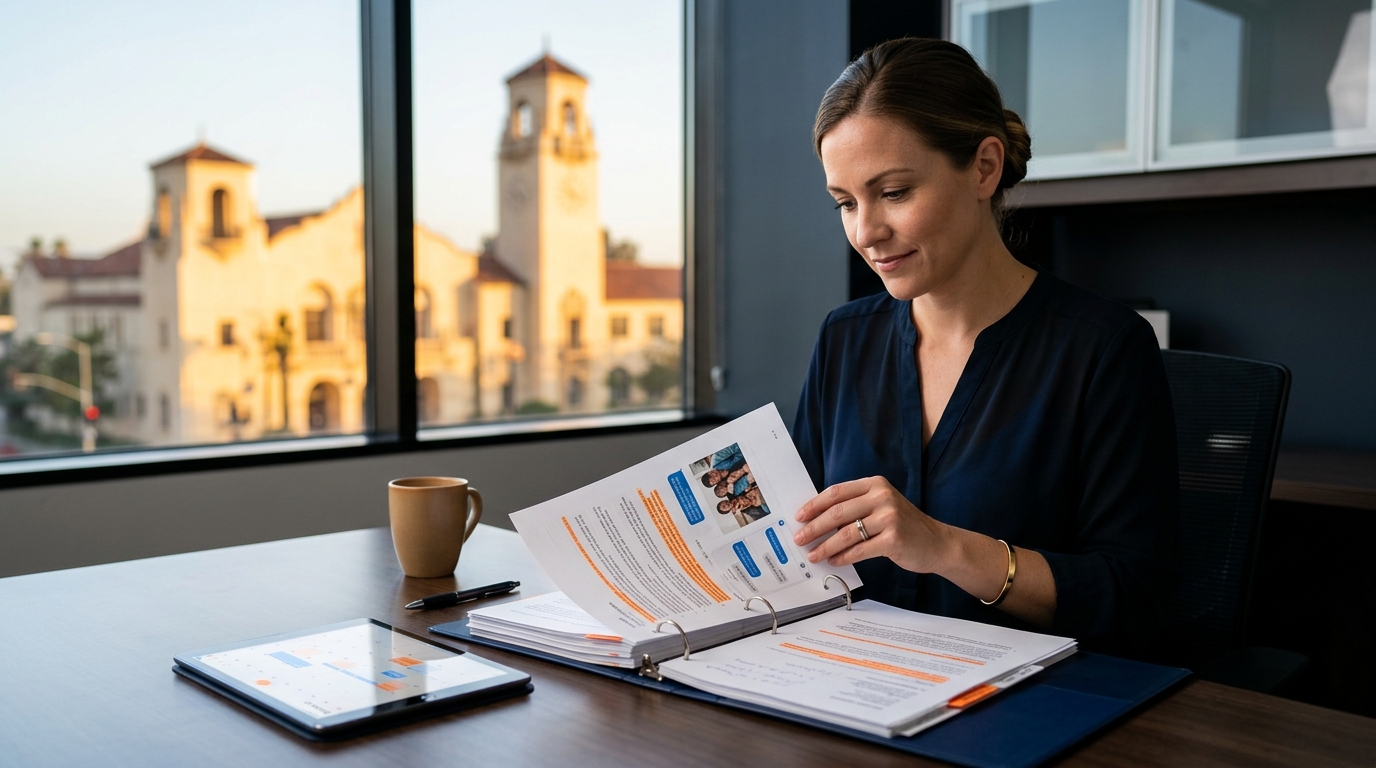
In family court, your word is rarely enough. Thus, documentation is absolutely vital to winning a california child custody case. You must keep detailed records of your parenting time and communication with your ex-spouse. To build an aggressive case, you should track the following:
- Text messages and emails showing your commitment.
- A detailed calendar tracking visitation rights.
- Receipts for all child-related expenses.
Additionally, track instances where the other parent misses their scheduled time. This evidence is crucial if you need to prove the other parent is uncooperative. Ultimately, the parent with the best evidence usually wins the judge’s favor.
Secret 5: Father’s Rights are Equal Rights
Historically, many believed mothers always won custody. However, this is a dangerous and outdated myth. California law establishes that both parents have an equal right to california child custody, according to a 2025 DivorceNet report. Therefore, father’s rights are fully protected under the law.
If you are a father in Downey, do not assume you will lose. Instead, assert your rights aggressively. The court strictly looks at who can provide the best care. Similarly, just as you would protect your finances by protecting your assets during divorce, you must protect your parental bond. By hiring a skilled family law attorney, you ensure your rights are respected.
2026 California Child Custody Statistics
Understanding recent data helps you prepare for your case. As of early 2026, family courts in Los Angeles County handle thousands of custody disputes annually. According to state court summaries from 2025, approximately 75% of California custody cases are resolved through mandatory mediation. Consequently, only a small fraction proceed to a full trial.
Furthermore, joint legal custody is awarded in over 85% of cases where both parents actively participate. This statistic highlights the state’s preference for shared responsibility. However, equal physical custody is less common. Data from 2025 shows primary physical custody is awarded based strictly on geographical stability. Therefore, presenting strong evidence of your involvement is critical.
Comparing Custody Arrangements in California
To clarify your options, review this breakdown of custody types. Keeping these distinctions in mind will help you build a solid legal strategy.
- Joint Legal Custody: Both parents share major life decisions for the child. This is highly preferred by California judges in 2026.
- Sole Legal Custody: One parent makes all major decisions independently. This is rarely awarded unless one parent is deemed unfit.
- Joint Physical Custody: The child spends significant time living with both parents. This is encouraged if parents live close to each other.
- Sole Physical Custody: The child resides primarily with one parent. This is awarded to ensure the child has a stable, consistent home.
Visualizing the Child Custody Timeline
A clear roadmap can significantly reduce your anxiety. Imagine an infographic titled “The 2026 Downey Child Custody Process.” First, the visual begins with filing the initial custody petition. Next, an arrow points to the mandatory custody mediation phase. This step is highlighted in bright blue to emphasize its importance.
Afterward, the chart splits into two distinct paths. One path shows a successful mediation leading directly to a signed judge’s order. The other path depicts a failed mediation leading to a formal court hearing. Finally, the infographic concludes with the judge issuing the final physical and legal custody orders.
Secure Your Child’s Future Today
In conclusion, winning california child custody requires intense preparation and legal knowledge. You must focus on the best interest of the child. Furthermore, leverage custody mediation, document everything, and assert your equal rights. Navigating a divorce with kids is incredibly difficult, but you do not have to do it alone.
As your dedicated family law attorney in Downey, we will aggressively fight for your family. Do not leave your child’s future to chance. Contact us today to schedule a confidential consultation. Let us build a winning strategy for your case.
Frequently Asked Questions About California Custody
Need help navigating through rough times? Contact us today.
Does a mother always get primary physical custody in a california child custody case?
No. As of 2025, California law explicitly states that both parents have an equal right to custody. The court bases its decision entirely on the best interest of the child, not the gender of the parent. Therefore, father’s rights are treated equally in Downey courts.
What happens if we cannot agree during custody mediation?
If you cannot reach an agreement during mandatory mediation, the mediator will report back to the court. Subsequently, a judge will review your case. The judge will listen to arguments from your family law attorney and make a final ruling on custody and visitation rights.
How does child support relate to physical custody?
In California, child support is calculated using a specific state formula. This formula heavily relies on the percentage of time the child spends with each parent. Generally, the parent with less physical custody time will pay support to the parent with primary custody.