
California Parental Rights: 5 Proven Ways to Protect Your Family
Protecting your california parental rights in a California divorce requires understanding the aggressive advocacy needed to secure both legal and physical custody. By establishing paternity, prioritizing the best interest of the child, and securing a skilled family attorney, Downey parents can safeguard their relationship with their children during this transition. The bond you share with your child is irreplaceable, and the prospect of losing precious time can cause immense anxiety. Navigating the family court system demands a strategic approach rather than relying on chance.
Table of Contents
Key takeaways
- California courts divide custody into legal and physical categories.
- The “best interest of the child” standard drives all court decisions.
- Proactive co-parenting and aggressive legal strategy protect your parental rights.
Navigating California family law during a divorce is emotionally draining. Suddenly, your time with your children is on the line, and the legal system can feel incredibly overwhelming for parents trying to maintain stability. You do not have to face this battle alone. Our firm blends genuine compassion with fierce advocacy to protect your california parental rights. We will guide you through the complexities of child custody, ensuring you remain a central figure in your child’s life so you can focus on rebuilding your family’s future.
How does child custody work in California?
According to a 2026 review of divorce with kids in California, child custody is divided into two main categories: legal custody and physical custody. Parents must understand this stark distinction to effectively advocate for their rights. Legal custody involves the right to make crucial decisions about your child’s education, health, and welfare. This includes choices about religious upbringing, psychiatric or psychological counseling, and extracurricular participation. Physical custody determines where the child actually lives and the day-to-day schedule they will follow.

California courts generally order shared legal custody for both parents, provided they can cooperate and make decisions together in the child’s best interest. This 2026 standard emphasizes that children thrive when both parents remain actively involved in major life choices. The court expects parents to foster a healthy co-parenting environment, putting aside personal grievances for the sake of the children. For a deeper dive into these rules, you can read California Child Custody: A Complete Guide.
Physical custody can be much more contentious. Judges will evaluate numerous factors to decide if joint physical custody is appropriate or if sole physical custody with visitation is a better fit. The court’s primary goal is to minimize disruption in the child’s daily routine, keeping them close to their established schools, friends, and community. Presenting a stable, loving home environment is absolutely critical for your case.
What steps protect your California parental rights during divorce?
Establishing paternity is a vital requirement if you are an unmarried father. Without legal paternity, you lack standing to request custody or visitation rights from the court. Filing a voluntary declaration of paternity or seeking a court order through genetic testing is an immediate necessity to secure your california parental rights. For more specific guidance, review our Father’s Rights in California Divorce Guide.
Prioritizing the best interest of the child in every interaction is equally important. Judges scrutinize how parents behave during the divorce process, looking for signs of alienation or hostility. You must document your active involvement in your child’s life by keeping records of school meetings, doctor appointments, and extracurricular activities. Avoiding negative comments about your ex-spouse in front of your children shows the court you are committed to their emotional well-being.
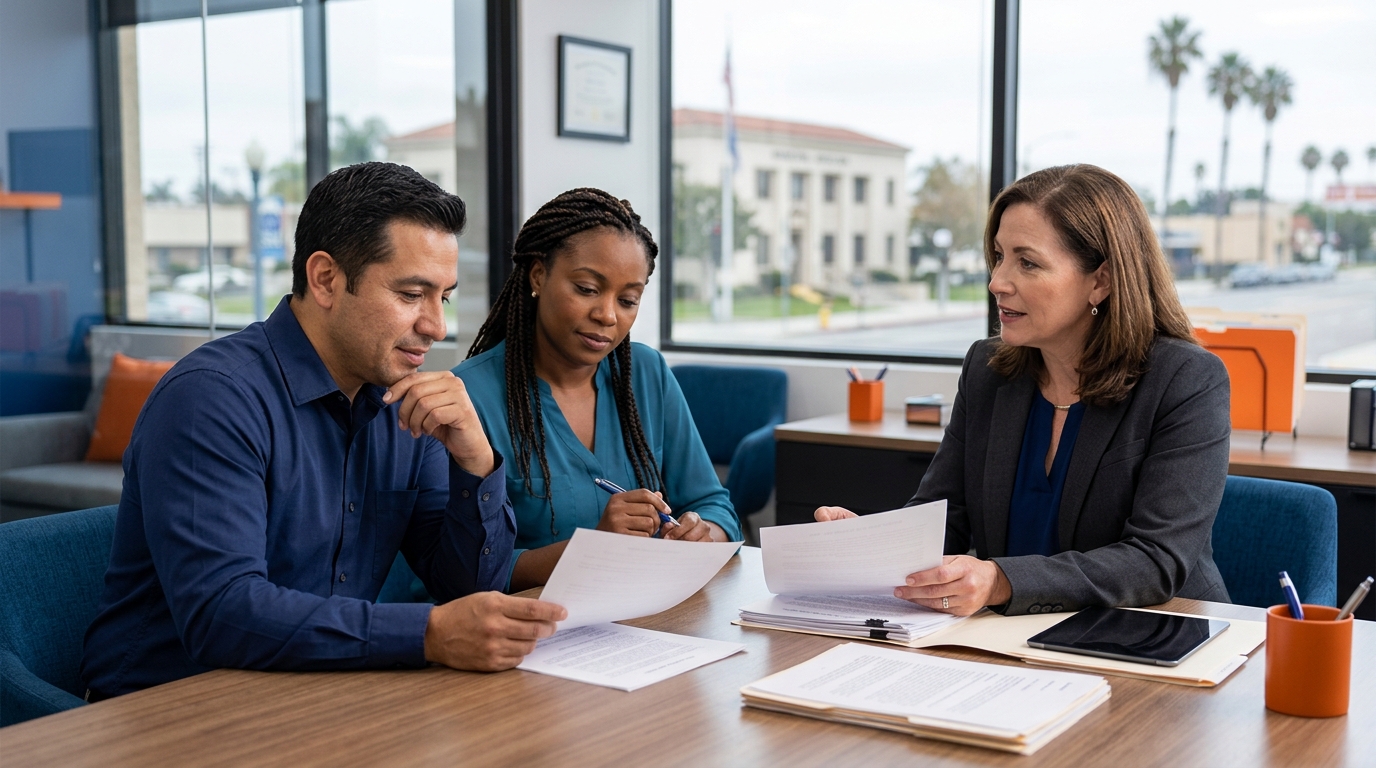
Hiring an aggressive family attorney who understands the local Downey courts gives you a distinct advantage. A skilled lawyer will help you build a compelling case based on facts and legal precedent to safeguard your california parental rights. They will negotiate fair child support terms that align with your financial reality and advocate for a parenting plan that maximizes your time. Leaving your parental rights to chance or informal verbal agreements often leads to heartbreak and future litigation.
California Family Law Statistics
Recent data highlights how courts make custody determinations. In 2026, judges in California consider factors such as a parent’s income, living situation, and historical relationship with the child to minimize disruption in the child’s life. Financial stability plays a significant role in physical custody awards, as courts want to ensure the child’s basic needs are consistently met. Child support calculations rely heavily on the exact percentage of time each parent spends with the child, making accurate visitation logs essential to ensure your california parental rights are respected during custody hearings. To understand how to leverage these facts, explore Win California Child Custody: A Legal Guide.
Custody Types and Definitions
Understanding the exact terminology used in California family law is vital for any parent entering the system. We have outlined the primary custody types below to help you grasp the legal landscape.
| Custody Type | Definition |
|---|---|
| Legal Custody | The right to make decisions regarding a child’s health, education, and welfare. |
| Physical Custody | Determines which parent the child primarily lives with on a daily basis. |
| Visitation Rights | Specifically refers to the rights of non-custodial parents to spend time with their children. |
The California Child Custody Process
Navigating the legal system requires a clear roadmap. The California child custody process typically begins with filing a petition for divorce or a specific petition for custody and support. Parents must attend mandatory mediation if they cannot agree on a parenting plan. A mediator from Family Court Services will attempt to help parents draft a workable agreement that serves the child’s needs. If mediation fails to produce an agreement, the case proceeds to a formal court hearing. A judge will review all evidence, hear testimony, and issue a final custody order based strictly on the best interest of the child.

Secure Your Future with a Family Attorney
Divorce is a challenging transition, but your relationship with your children must remain protected at all costs. By understanding legal custody, physical custody, and visitation rights, you can build a strong strategy tailored to your family’s unique dynamics. Proactive co-parenting and aggressive legal representation are your best tools for success in the courtroom. Always verify your legal counsel’s credentials before making a commitment. As of 2026, the State Bar of California maintains public records of attorneys in good standing, which can be verified at www.calbar.ca.gov. You can hire a family attorney with confidence knowing they have a proven track record. Contact our Downey office today to fiercely protect your california parental rights and secure your family’s future.
Sources
Frequently Asked Questions
What is the difference between legal and physical custody in California?
Legal custody grants a parent the right to make major life decisions for the child, such as schooling and medical care. Physical custody refers to where the child actually resides on a day-to-day basis. Courts can award joint or sole custody for both categories depending on the family’s circumstances, while always respecting fundamental california parental rights.
How does a judge determine the best interest of the child?
A judge evaluates several factors to determine the child’s best interest. These include the child’s age, health, emotional ties to each parent, and the parents’ ability to care for the child. The court also looks at any history of domestic violence or substance abuse to ensure the child is placed in a safe environment.
Can a father get 50/50 custody in California?
Yes, absolutely. California law does not favor mothers over fathers in custody disputes. If a father demonstrates that joint physical custody is in the child’s best interest and he can provide a stable environment, the court will frequently award an equal 50/50 custody arrangement.
How is child support calculated in California?
Child support is calculated using a strict state guideline formula. This formula considers each parent’s gross income and the exact amount of time the child spends with each parent. It factors in mandatory deductions like health insurance premiums, union dues, and mandatory retirement contributions to arrive at a fair monthly figure.